I was thinking the other day about a scenario that would make any car enthusiast cringe: pulling a top-of-the-line Tesla up to a diesel pump and shoving the nozzle in. It sounds ridiculous, right? You’ve got a high-tech, high-revving, electric masterpiece, and you’re trying to fuel it with heavy-duty sludge meant for a tractor-trailer.
In the world of baseball and training in Indianapolis, I see the "Diesel in a Tesla" mistake happening every single day in weight rooms.
There’s a massive debate raging in the diamond sports world. On one side, you have the "old school" crowd that thinks the only way to get better is to get as big and as bulky as possible: the Semi-Truck approach. On the other side, you have the modern, data-driven philosophy that prioritizes explosiveness, elasticity, and speed: the Sports Car approach.
The truth is, as a baseball or softball player, your body is an engine. But if you're training the wrong engine for the wrong job, you’re not just wasting time: you’re asking for a breakdown.
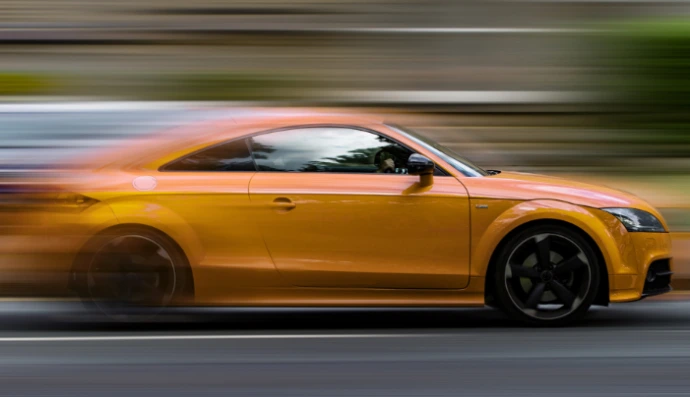
The Sports Car: Built for the Redline
Think about what happens during a baseball or softball game. You aren't grinding out a marathon. You aren't pushing a stalled car up a hill for ten minutes. The game is won and lost in short, violent bursts of energy: usually lasting between one and five seconds.
A "Sports Car" athlete is defined by their ability to produce massive amounts of force in the blink of an eye. This is "fast-twitch" dominance. It’s the pitcher who can whip their arm through the zone with lightning speed, or the hitter who can wait that extra millisecond on a changeup because their hands are fast enough to catch up.
When we talk about the Sports Car approach at R2 Training, we’re talking about:
- Elasticity: The ability of your muscles and tendons to act like a rubber band: stretching and snapping back with immense power.
- Rotational Velocity: Baseball and softball are rotational sports. If you can’t turn your hips and shoulders fast, it doesn’t matter how much you can bench press.
- Rate of Force Development (RFD): It’s not just about how much force you can produce, but how fast you can produce it then how much can you capture.
For our softball training in Indianapolis, this is a game-changer. Developing that "Sports Car" engine means more exit velocity and more range in the dirt. It’s about being twitchy, not just "strong."
The Semi-Truck: Power Without the Pace
Now, let’s look at the Semi-Truck. A Semi is incredibly powerful. It can pull 80,000 pounds across the country. But it’s slow to start, slow to turn, and it certainly isn't winning any drag races.
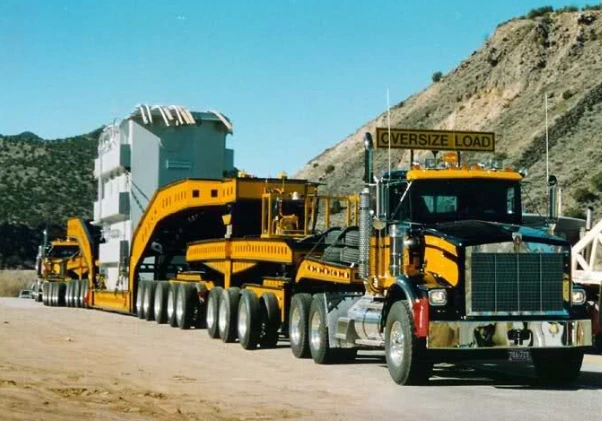
In the weight room, the Semi-Truck athlete is the one focusing purely on "slow" strength. Think heavy, grinding 1-rep max squats or bodybuilding-style bicep curls. While there is a place for foundational strength, many athletes get caught in the trap of building "non-functional" mass. They get big, they get heavy, and suddenly, they realize they can't move.
This is where the "Diesel in a Tesla" problem comes in. If you take a naturally explosive, "Sports Car" athlete and put them on a program designed for a powerlifter, you are going to ruin their performance. You’re putting diesel in the Tesla. They might look more muscular in a jersey, but their bat speed will drop, their arm will feel "heavy," and their risk of injury skyrockets because their "brakes" (their decelerator muscles) can't keep up with their new, bulky frame.

Why Your "Engine Type" Matters
At R2 Training, we don't believe in a one-size-fits-all approach. Every athlete who walks through our doors has a unique framework. Some kids come in as "natural" Sports Cars: they’re skinny, bouncy, and fast, but they lack the stability to stay healthy. Others come in as "natural" Semis: they’re big and strong, but they move like they’re stuck in mud.
Understanding which engine you’re working with is the first step toward elite performance.
- For the High School Athlete: You need the competitive edge. If you want to play at the next level, scouts aren't looking at your squat max; they’re looking at your 60-yard dash and your exit velo.
- For the Youth Parent (7-12U): At this age, it’s all about building the chassis. We want to develop movement quality, confidence, and fun. We aren't loading up heavy barbells; we're teaching them how to move their bodies efficiently so that when they hit puberty, they have a "Sports Car" foundation ready to be tuned.
The R2 Training Philosophy: Expert Coaching & Data
The "Weight Room Debate" shouldn't be about whether to lift, but how to lift. We leverage the science of 108 Performance to bridge the gap between "gym strong" and "field strong."
Our programs emphasize:
- Plyometrics/PVC: Teaching the body to absorb and redirect force instantly.
- Waterbag Work: Developing that crucial rotational power that translates directly to the plate.
- Unilateral Strength: Since baseball and softball are played mostly on one leg (pitching, hitting, running), we focus on single-leg stability to prevent injuries and increase power.
We don't guess: we assess. Through our onboarding process, we figure out exactly what your athlete needs. Are they a Sports Car that needs a little more "frame" (strength)? Or are they a Semi that needs to learn how to rev their engine faster (speed)?
Don't Mismatch Your Training
If you’re looking for baseball training in Indianapolis or softball training in Indianapolis, don't settle for a "backyard drill" facility or a "meathead" gym. You need a program that understands the nuances of the diamond.
Building a "Semi-Truck" body for a "Sports Car" game is a recipe for frustration. You'll see the kid who works the hardest in the weight room actually get worse on the field because their training was mismatched to their sport.
Our goal is to build athletes who are explosive, durable, and confident. We want you to have the power of a Semi with the handling and speed of a Ferrari. It’s about "Training With Purpose" so you can "Compete With Confidence."
Take the Next Step
Whether you're a high school player looking for that D1 scholarship or a parent of a 10-year-old who just wants to see their child smile after a game, the path to success starts with the right plan.
Stop guessing and start growing. Check out our scheduling steps to get started with an evaluation, or look into our remote training options if you’re outside the Indy area.
Your "engine" is the most valuable asset you have on the field. Make sure you're giving it the right fuel.
Ready to Build Your High-Performance Engine?
The debate is over. The results are in the data. Let’s get to work.