If you’ve spent any time around a youth ball field in Indiana, you’ve heard the cues. "Get your elbow up." "Squash the bug." "Stay on top of the ball." They are the "golden rules" of coaching that have been passed down for decades. But here’s a question that’s rarely asked: What if those rules are actually making your athlete worse?
For too long, the world of baseball and softball training in Indianapolis has been dominated by a "cookie-cutter" philosophy. Coaches often try to mold every kid into a specific, predetermined mechanical frame. They look at a Big Leaguer on TV and say, "Swing like him," without ever considering if that kid’s body is physically built to move that way.
At R2 Training, we believe the era of the "one size fits all" coach is over. It’s time to stop fighting against nature and start working with it. The secret to unlocking elite performance isn't found in a generic drill; it’s found in understanding an athlete’s unique motor preferences.
What Are Motor Preferences?
Every human being has a "signature" way of moving. It’s hardwired into our nervous system and dictated by our anatomy. Some of us are naturally "top-down" movers, while others are "bottom-up." Some athletes thrive on internal rotation, while others need external rotation to generate power.
These are your motor preferences: the path of least resistance for your body to move efficiently, powerfully, and safely.
When a hitting coach in Indianapolis tells an athlete to move in a way that contradicts their natural motor preferences, they aren't just teaching a technique; they are creating a neurological conflict. The brain wants to go one way, the coach says go the other, and the result is a "mechanical" swing that lacks fluidity, speed, and: most importantly: consistency.
Why YouTube Drills Aren't the Answer
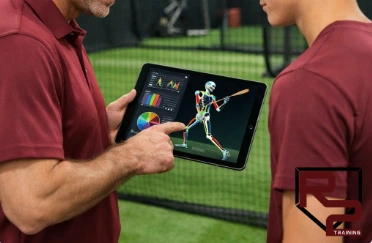
In the digital age, it’s tempting to head to YouTube and look up "best hitting drills for 12U baseball." You’ll find thousands of videos promising the "secret" to more exit velocity. The problem? Those drills are generic. They don't know your athlete.
Generic drills assume that every body functions the same. They don't account for hip mobility, spinal attachment points, or how an athlete’s brain processes spatial awareness. When you apply a generic drill to a unique body, you're essentially guessing. And in the world of competitive sports, guessing is the fastest way to hit a plateau.
True youth baseball and softball training in Indianapolis requires an expert eye that can distinguish between a "mechanical flaw" and a "natural movement preference." Sometimes, what looks like a "bad" habit to an untrained coach is actually the athlete’s body finding the most efficient way to produce force. At R2 Training, we don't fix what isn't broken; we optimize what is natural.
The R2 Training Approach: Assessing, Not Guessing
We don't start with drills. We start with discovery.
When an athlete walks into our facility, our first job is to understand how their body wants to move. This understanding develops as the athlete's body matures. Before athletes are 13, their nervous system is still developing, coordination is inconsistent, and they haven't accumulated enough movement experience for preferences to express clearly and consistently. The value at this age is what you stop saying (don't force separation on a kid who clearly moves as one piece), not what you prescribe. Stop telling kids to load into their back leg when their first move is to spring up. Instead emphasize experimentation. Young athletes will start to organize properly when given the room to try different things.
Once athletes start to mature and are roughly 13, you start getting more reliable reads, especially on the big categories (Energy Type and Rotational Style). Balance point, COG, and breathing might still be developing. This is the age where testing starts to have real coaching value, but you should re-assess every 90 days because things can still shift.
What we are starting to look at with our athletes:
- The Visual Pillar: How does the athlete see the ball? Are they dominant in a way that affects their stance?
- The Motor Pillar: Is the athlete a "linear" or "rotational" powerhouse by nature?
- The Mental Pillar: How do they process information under pressure?
By identifying these preferences early on, we can tailor a program that feels "right" to the athlete from day one. Instead of spending months trying to "break" a natural movement pattern, we lean into it. This is how we move players from "thinking" to "reacting."
Working With the Body, Not Against It
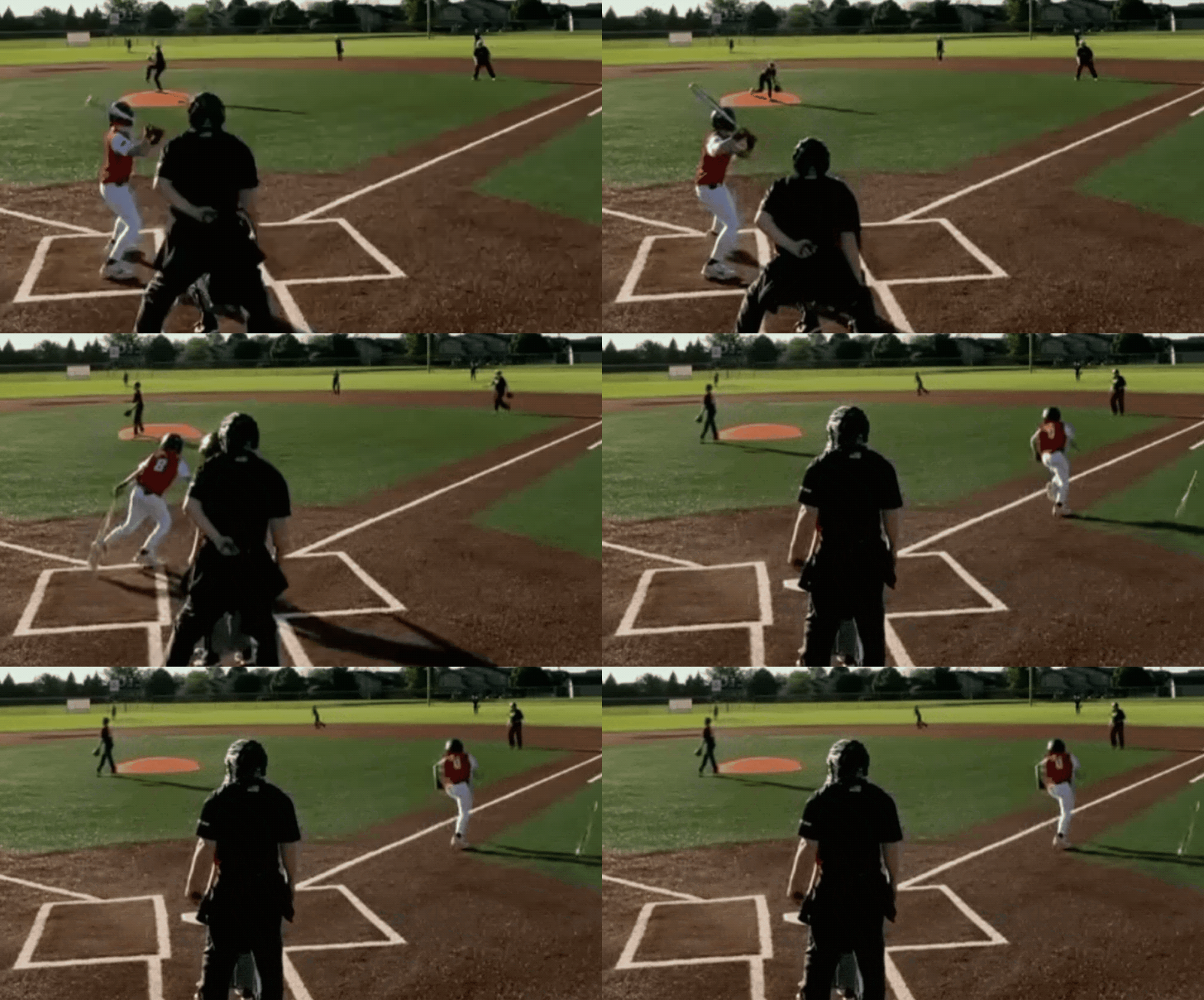
Think about the most iconic players in history. Hunter Pence didn't have a "textbook" swing. Neither did Vladimir Guerrero. If a traditional coach had gotten ahold of them and forced them into a "standard" model, the world might have never seen their greatness.
They succeeded because they stayed true to their natural movement.
When you fight your body, you invite injury. You create "noisy" mechanics that break down under the pressure of a high-stakes game. But when you align your training with your motor preferences, the game slows down. You become more efficient. You find power you didn't know you had because you’re finally using your entire kinetic chain correctly.
The Vision: A New Standard for Indianapolis Baseball and Softball
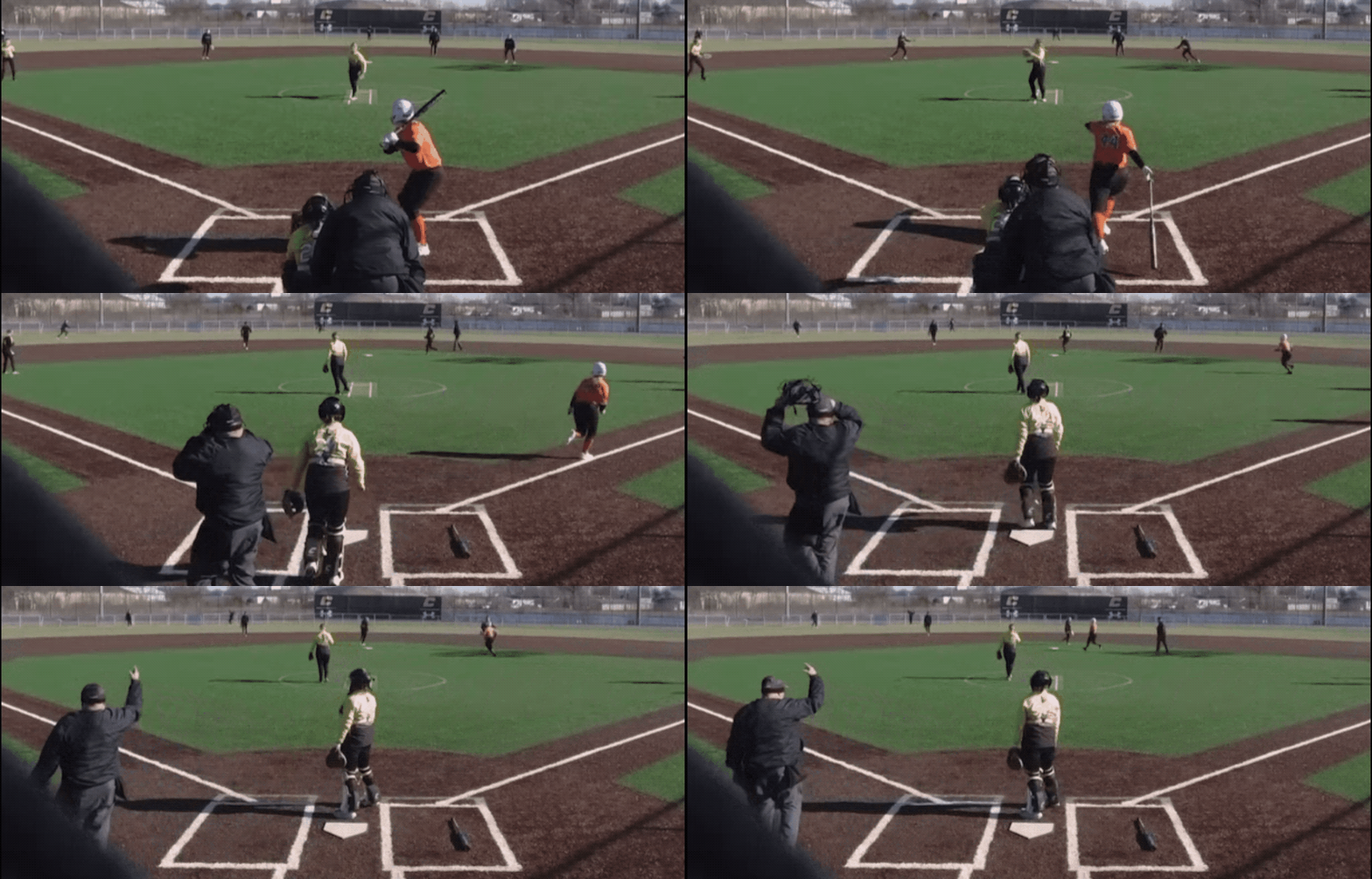
R2 Training isn't just a place to get extra reps. We are a laboratory for human performance. Our mission is to change the way softball training in Indianapolis and baseball development are viewed.
We aren't interested in creating clones. We are interested in creating ballplayers.
Our facility is designed to be a "high-vibe," inspirational environment where athletes feel empowered to explore their own movements. We provide the expertise, the tech, and the framework, but the athlete provides the signature.
Whether you are looking for in-person training at our Indianapolis facility or you're interested in our remote training options, the philosophy remains the same: Your natural movement is your greatest superpower.
Ready to Find Your Framework?
Stop following the "one size fits all" crowd. Your athlete deserves a coach who understands the science of movement and the heart of the game.
It starts with an assessment. Let us show you how your athlete is built to move. Whether it’s through our onboarding process or a direct appointment, we’re ready to help you unlock a new level of performance.
Let’s stop guessing and start growing. Join the movement at R2 Training and see what happens when you finally stop fighting your own body and start playing the game the way you were meant to play it.
Train With Purpose. Compete With Confidence.