How to Choose the Right Baseball and Softball Training Program in Indianapolis & Greenwood
You've watched your kid crush it at practice. You've seen the potential. Now it's February: and if you want your athlete ready for spring, the build-up has to start now. Waiting until “a few weeks before the season” is how players show up rusty, out of rhythm, and chasing timing all season.
You've watched your kid crush it at practice. You've seen the potential. Now it's February: and if you want your athlete ready for spring, the build-up has to start now. Waiting until “a few weeks before the season” is how players show up rusty, out of rhythm, and chasing timing all season.
Here's the truth: not all training programs are created equal. Some are glorified babysitting with bats. Others are legitimate development systems that build athletes who compete at the next level. The difference? Knowing what to look for—and choosing a plan you can stick to through the entire pre-season window.
Let's break down exactly how to choose the right baseball training program in the Indianapolis and Greenwood area: so, you can invest your time and money where it actually matters and set the foundation for the whole season.
Start With Your Athlete's Age and Skill Level
The biggest mistake parents make is choosing a program based on what sounds impressive rather than what actually fits their kid's current stage of development.
For younger players (ages 5-10), you're looking for programs that emphasize fundamentals and keep things fun. They should be learning proper throwing mechanics, basic hitting principles, and building a love for the game. Programs like Tot Shot Sluggers and Mini-League options in Greenwood focus on these developmental milestones with age-appropriate instruction.
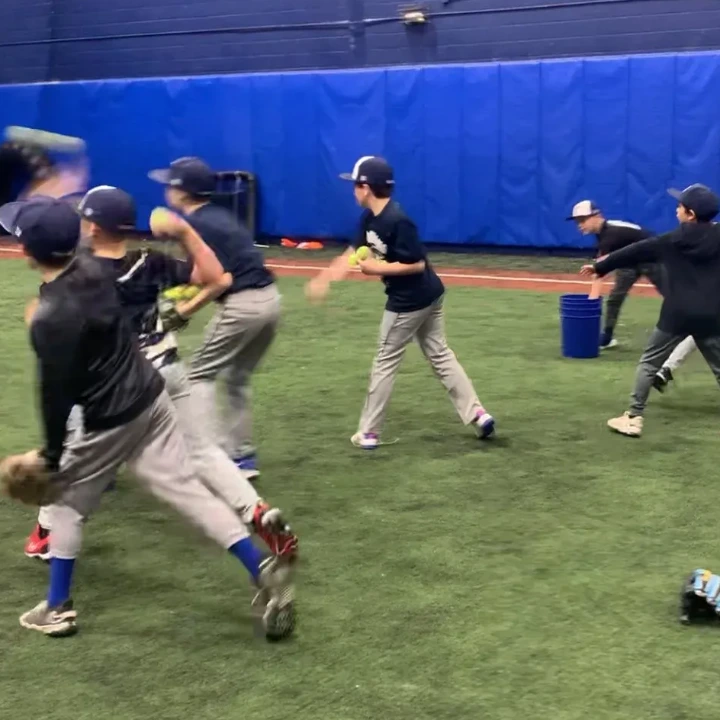
For middle schoolers (ages 11-14), the training should get more specialized. This is where athletes start to identify their positions, refine specific skills, and begin understanding the mental side of the game. Look for programs that offer position-specific training and start incorporating strength and conditioning.
High school athletes (ages 15-18) need programs that prepare them for the next level: whether that's varsity competition, showcases, or college recruitment. At this stage, data-driven training, video analysis, and personalized development plans aren't just nice-to-have features: they're essential.
February Location Matters More Than You Think
Let's talk about something practical: geography—especially in February.
Pre-season training only works if you can stack consistent reps week after week. If you're on the Southside of Indianapolis—areas like Greenwood, Whiteland, Franklin, or Bargersville—driving 45 minutes north to Fishers or Carmel twice a week isn't sustainable. Weather delays, school nights, and life happen. Your kid will be tired. You'll be stressed. And eventually, someone's going to miss sessions because "it's just too far."
Training facilities in Greenwood and the Southside offer the same high-level instruction without the commute. R2 Training’s **Southside location** is right in the heart of this area, making it convenient for families across Johnson County and southern Marion County. When your facility is 10-15 minutes away instead of 45, consistency becomes automatic—and that February consistency is what builds the timing, mechanics, and confidence your athlete will lean on all spring.
Plus, you're supporting local businesses that are invested in your community. That matters.
Data Tracking Isn't Optional Anymore
Here's where the game has changed dramatically in the last five years: technology.
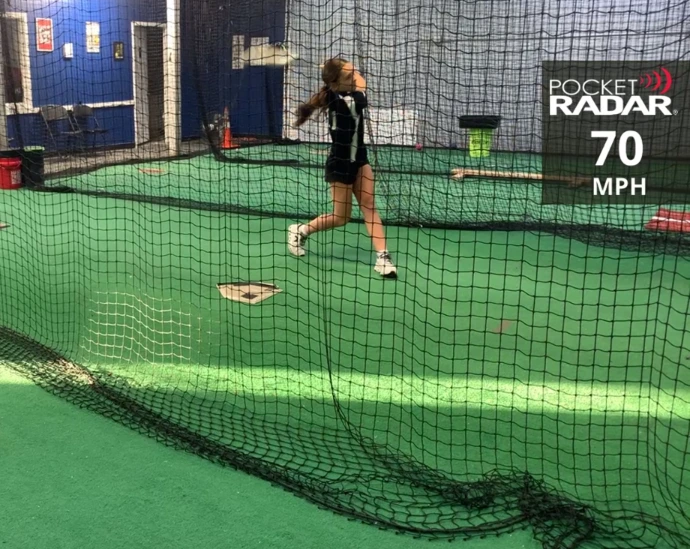
The best training programs don't just tell you your kid is "getting better": they show you with actual data. Exit velocity, launch angle, spin rate, bat speed: these metrics tell you exactly what's working and what needs adjustment.
But here's the problem with most data-driven programs: you get a readout at the facility, nod your head, and then... nothing. The numbers disappear until next week's session.
That's where tools like **The Futures App** become game-changers. Instead of data living on a coach's clipboard, it lives in your pocket. Parents and athletes can track progress over weeks and months, see trends, and understand exactly how training translates to performance. It's the difference between hoping your investment is working and knowing it is.
If a training program isn't using some form of data tracking and progress monitoring in 2026, they're behind the curve.
## Quality Coaching Beats Fancy Equipment Every Time
Walk into any modern training facility and you'll see HitTrax systems, Rapsodo units, and weighted balls everywhere. Great. But technology is worthless without quality coaching to interpret it.
Here's what separates elite coaches from good ones:
Individualized Instruction: Cookie-cutter drills might work for a team practice, but development happens when coaching is tailored to your athlete's specific needs. Does your kid have a hitch in their swing? Are they opening up too early? Elite coaches diagnose the actual problem: not just the symptoms.
Communication Skills: The best coaches don't just know baseball: they know how to teach it. They break down complex movements into digestible steps. They use language kids understand. And they know when to push and when to encourage.
Track Record: Ask about their coaching background. Have they played or coached at high levels? Do they have success stories of athletes who've moved up to competitive travel ball, high school varsity, or college programs?
Philosophy Alignment: Some programs focus purely on mechanics. Others emphasize mental training and the "six-tool" player development approach. Make sure the program's philosophy matches what you're looking for in your athlete's development.
Programs like Baseball Academics Midwest have built entire curriculums around mental training alongside physical skills: recognizing that the game between the ears is just as important as swing mechanics.
Small Groups vs. Private Lessons: What's Right for You?
Both formats have their place, but they serve different purposes.
Private lessons are ideal for athletes who need intensive, personalized attention. If your kid is working through a specific mechanical issue or preparing for tryouts, private sessions give them 100% of the coach's focus. They're also great for players from farther areas: someone from Evansville, for example, might come up once a month for a private session and then supplement with remote training.
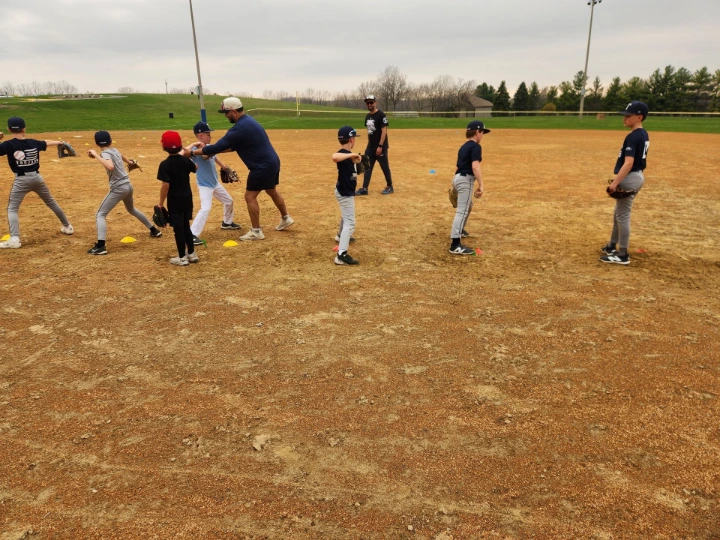
Small group training (typically 3-6 athletes) offers a middle ground. Athletes still get personalized attention, but they also benefit from the competitive environment and typically pay less per session. For many families, this is the sweet spot: enough individual coaching to see real development, with the added benefit of training alongside peers.
Some programs, including R2 Training, offer both options and can help you determine which format makes the most sense for your athlete's current needs and goals.
The Remote Training Revolution
Here's something most parents don't consider: you're not limited to only in-person training anymore.
Remote training has evolved way beyond "watch this YouTube video and try it yourself." With tools like The Futures App, athletes can receive personalized training programs, upload videos for coach review, track their progress, and stay accountable: all from home.
This is especially valuable for families who live outside the immediate Indianapolis area. An athlete from Columbus, Martinsville, or even farther south in Indiana can come in for monthly private sessions to establish goals and check mechanics, then follow a structured remote program in between visits.
It's the best of both worlds: expert coaching without the weekly commute.
Understanding Cost vs. Value
Let's address the elephant in the room: training costs money.
You'll find programs ranging from $30 per session to $150+ for private lessons. Here's how to think about it:
Cheaper isn't always better. A $30 group session with 20 kids and one coach isn't a deal: it's just expensive babysitting. Your athlete won't get the attention they need to actually improve.
More expensive isn't always better either. Some facilities charge premium prices because of their location or brand name, not necessarily because their coaching is superior.
Look for value: What do you actually get? Quality coaching? Data tracking? Progress monitoring? Video analysis? Access to technology? Programs that start around $100/month with small group ratios, expert coaching, and progress tracking tools offer incredible value.
Also, ask about package deals or "triple play" discounts if your athlete wants to work on multiple skills (hitting, pitching, fielding). Many programs offer better rates when you commit to multiple sessions or skills.
Red Flags to Watch For
Before you sign up, watch out for these warning signs:
Pushy sales tactics: If they're pressuring you to sign up immediately, walk away.
Vague promises: "We'll make your kid a college prospect" without any concrete development plan is a red flag.
One-size-fits-all approach: Every athlete is different. Programs that don't individualize instruction won't deliver results.
No clear communication: You should understand exactly what your athlete will be working on and why.
Making Your Decision
Choosing the right training program comes down to three questions:
1. Does this program match my athlete's current age and skill level?
2. Can we realistically commit to the location and schedule (especially in February)?
3. Does this program use data and progress tracking to show actual improvement?
If you can answer yes to all three, you're probably looking at a solid option.
February is pre-season. That means your athlete’s goal isn’t to “get good later”—it’s to start the build-up now so spring games feel familiar instead of frantic. The training you stack in February around Indianapolis and Greenwood is what sets the foundation for the entire season: cleaner mechanics, better timing, stronger confidence, and a plan you can actually follow when life gets busy.
For families in Indianapolis, Greenwood, and throughout the Southside, programs that combine convenient location, expert coaching, data-driven training, and tools like The Futures App offer the complete package your athlete needs to reach their potential.
The right training program doesn't just improve your kid's swing: it builds confidence, discipline, and a genuine love for the game that lasts long after their playing days are over.
Ready to see what personalized, data-driven training looks like? (https://www.r2trainingindy.com/appointment) and let's build a development plan that actually works for your athlete.